Ipamorelin research, experiment by experiment
The papers wander from a selective hormone response to bowel recovery, bone growth and fish biology. The changes of subject are half the interest.
Stations
1998: rat cells, rats and pigs
The founding Raun paper tested Ipamorelin in rat pituitary cells and living rats and pigs. Growth hormone release was potent, with no significant ACTH or cortisol elevation above the GHRH comparison even at amounts more than 200-fold above the GH ED50—the amount producing half the maximum response.
That selectivity is the most convincing entry in this catalogue for me. It was asked directly and tested against other hormone responses. Its experimental scope was acute animal pharmacology. The popular questions about sustained sleep or exercise recovery came later, and require other outcomes.
1999: human pharmacokinetics
The human pharmacokinetic study by Gobburu and colleagues used five 15-minute intravenous infusion levels, with eight healthy male volunteers per dose level. The terminal half-life was approximately 2 hours; the growth-hormone response was a single pulse peaking at about 40 minutes.
Pharmacokinetics describes what happens to the drug in the body. Here it supplies the timing of an intravenous exposure and the accompanying hormone response. The cleanly described pulse earns my respect; a sleep benefit remains completely unpersuasive because sleep was never the outcome being tested.
Bowel recovery
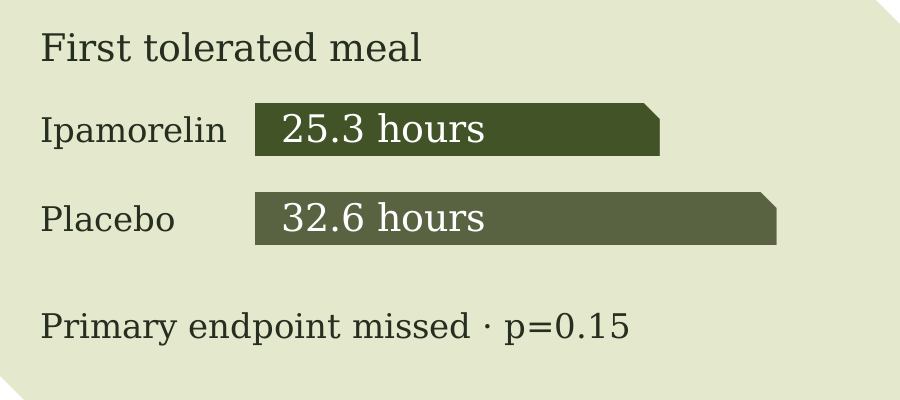
In the published randomized Phase 2 study, 114 adults undergoing open or laparoscopic bowel resection received ipamorelin or placebo. Median time to first tolerated meal was 25.3 hours versus 32.6 hours, respectively, with p=0.15. The primary endpoint was missed.
The ghrelin-receptor connection made gastrointestinal recovery a reasonable question. The result failed to establish efficacy in this trial. I resist describing the lower median as a successful recovery result with a statistical footnote; the prespecified clinical test was the point of doing the study.
Treatment-emergent adverse events occurred in 87.5% versus 94.8%. Surgery and its recovery make those figures quite different from a long-term outpatient safety record.
Bone growth in rats
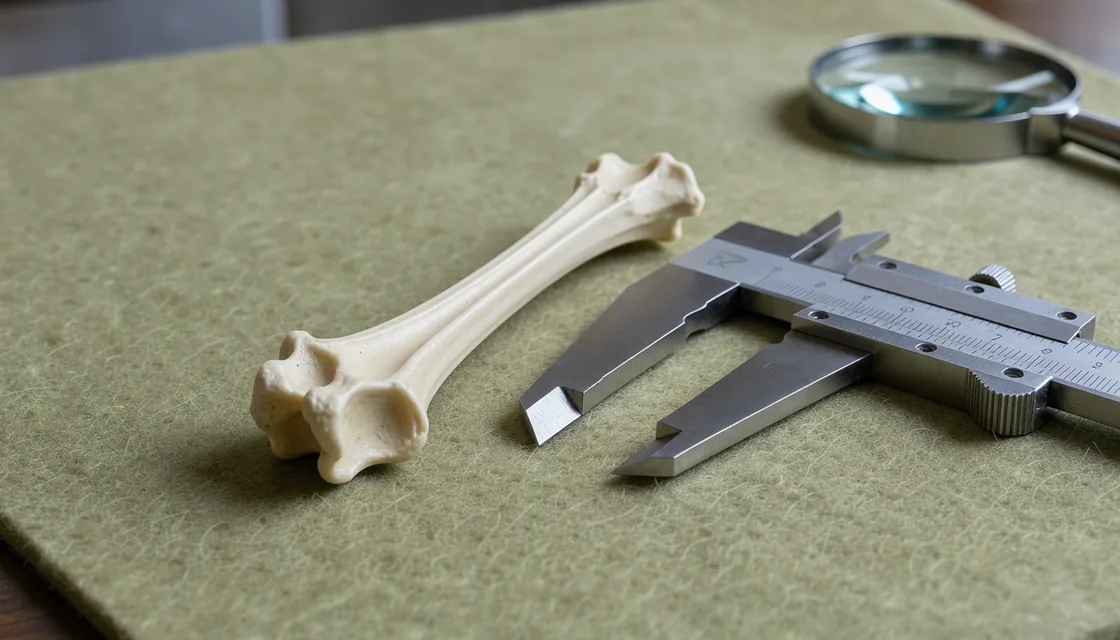
In Johansen and colleagues’ adult female rat study, subcutaneous ipamorelin was studied at 18, 90 and 450 micrograms/day for 15 days. Longitudinal bone growth was 42 micrometers/day with vehicle and 44, 50 and 52 micrometers/day in the treated groups, respectively. Total circulating IGF-1, IGF-binding proteins and bone turnover markers showed no change.
I expected IGF-1 to explain the bone result; the measurement confounded that expectation. It opens another question about local effects and hormone pulses. The findings allow those possibilities without choosing between them. They also leave adult human bone and joint outcomes unresolved; the orthopaedic review calls for clinical evaluation.
Ferrets during cisplatin treatment
The 2024 ferret study found approximately 24% less cisplatin-induced weight loss on the last day of the delayed phase. Ipamorelin had no anti-emetic effect in either the acute or delayed phase. Reduced weight loss and reduced vomiting were separate questions, and the answers differed.
This is animal work in a chemotherapy model. Invoking it to support deliberate human weight loss reverses the goal of the experiment. I prefer the paper with its original question intact.
Seabream, tilapia and modified molecules
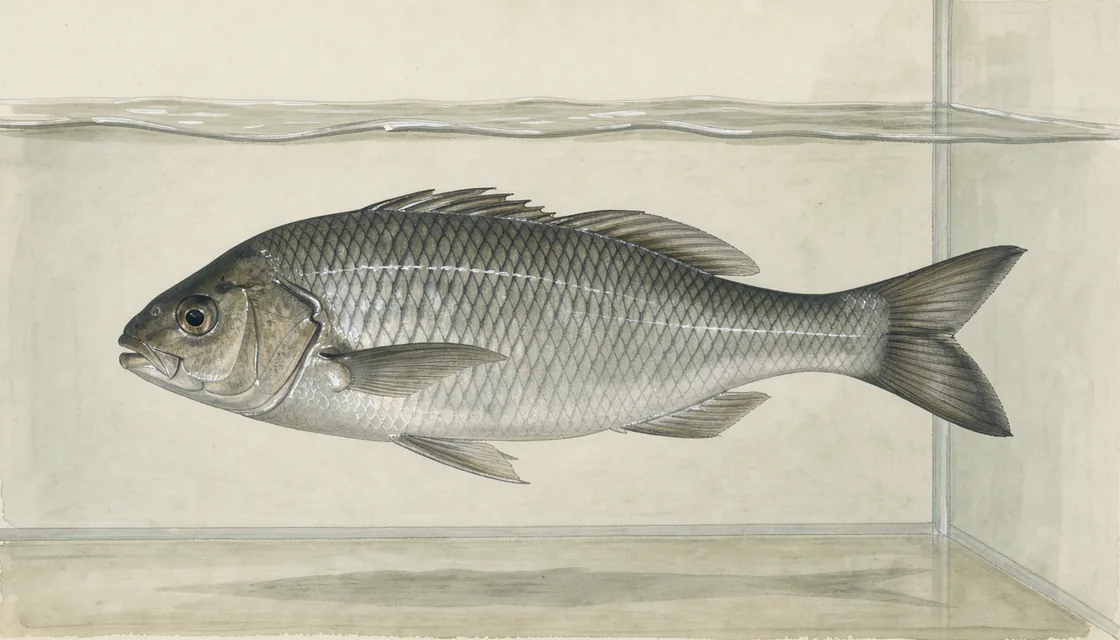
The smaller branches of the literature are worth opening. Seabream work reported increased gastric ghrelin gene expression after ipamorelin. A tilapia study examined reproductive hormones and germ-cell development. Each finding stays with its fish species; neither offers a human appetite or reproductive treatment result.
Chemists also built boron-rich receptor agonists using the ipamorelin backbone in cell work and examined scaffolds for PET imaging probes in receptor assays. In the latter paper, the lead probe came from a different scaffold. I enjoy these detours because the molecular design has uses as an experimental tool well beyond the goals attached to its online reputation.
Ipamorelin CJC-1295
What is CJC 1295 ipamorelin? The name combines two separate synthetic peptides. CJC-1295 acts through the GHRH pathway; ipamorelin acts at the ghrelin receptor. The review of pituitary growth-hormone regulation explains why those pathways can amplify growth-hormone release together.
Does CJC-1295 ipamorelin work? For sleep, recovery or fat loss, a controlled human outcome trial of the pair is missing. The mechanistic rationale is coherent. I distrust the promotion of that rationale into a result from a trial nobody has supplied. The safety discussion covers the corresponding uncertainty about the combination.
Ipamorelin vs sermorelin
Sermorelin is a GHRH analogue. Ipamorelin acts through the ghrelin receptor. The physiology review describes the complementary pathways, while the original ipamorelin experiments establish its particular acute hormone profile.
A head-to-head choice for better sleep, muscle or recovery would need a human comparison with those goals. The available mechanism offers no such ranking. I see more sense in asking which clinical outcome was measured than in declaring a winner between receptor pathways.
Ipamorelin vs tesamorelin
Tesamorelin has an approved use for reducing excess abdominal fat associated with HIV-related lipodystrophy. Ipamorelin has no approved indication. Their shared connection to growth-hormone physiology, covered in the pituitary regulation review, leaves that difference in clinical evidence and regulatory status intact.
The ipamorelin bowel trial tested a different condition and missed its primary endpoint. I would not transfer an approval, a patient population or a body-fat outcome across these compounds. The regulatory page sets out ipamorelin’s status.